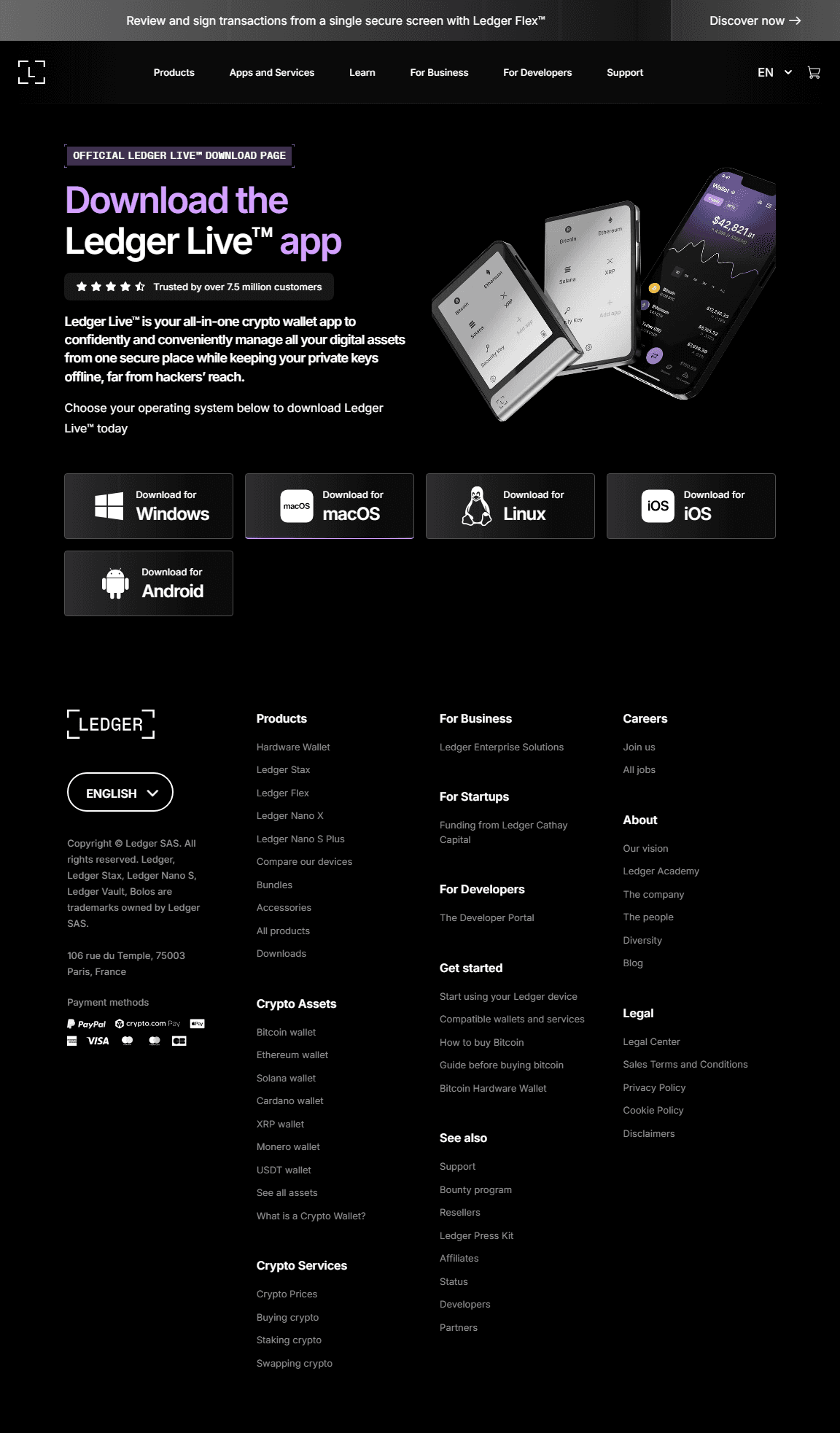
Ledger.com/start: Step-by-Step Setup Guide for Your Ledger Hardware Wallet
Setting up a Ledger hardware wallet is one of the most effective ways to gain full control over your cryptocurrency. Unlike storing your assets on an exchange or a web-based wallet, a Ledger device places your private keys in a secure, offline environment that you control completely. The setup process associated with Ledger.com/start is designed to guide you through activating your device, securing your recovery phrase, installing Ledger Live, and preparing your wallet to store and manage digital assets safely.
This 1200-word guide walks you through the entire setup experience from the moment you unbox your device to the point where your wallet is fully ready for use. Whether you're a beginner or an experienced crypto holder, this guide gives you everything you need to get started with confidence.
Why Ledger.com/start Exists
Ledger.com/start serves as the central onboarding path for all new Ledger users. Since hardware wallets operate differently from online platforms, it’s important for new users to follow a structured setup process to protect their assets from accidental mistakes or security breaches.
The setup experience is designed to:
Guide you through safe wallet initialization
Teach you about the recovery phrase
Help you connect to Ledger Live
Verify your device’s authenticity
Provide information about using your wallet securely
Because you are taking full responsibility for your crypto, understanding the fundamentals is essential.
Unboxing Your New Ledger Hardware Wallet
When you first open your Ledger hardware wallet package, you will find several components:
The hardware wallet (Ledger Nano S Plus, Ledger Nano X, or another model)
A USB cable for device connection
A set of recovery sheets for writing your seed phrase
Documentation and quick-start information
Optional accessories, depending on model and packaging
Before continuing, ensure the package is sealed and hasn’t been meddled with. Ledger devices are manufactured with strict security measures, and any tampering could indicate a compromised product.
Powering On the Device for the First Time
Once you’re ready, press the device's buttons to power it on. The small screen serves as the secure interface for navigating menus, confirming actions, and reading important information. Because the device’s screen is isolated from your computer or phone, it is one of the safest places to verify sensitive details.
You’ll be guided to create a new wallet or restore an existing one. For new users, choosing “Set up as new device” will initiate the standard onboarding process.
Creating Your PIN Code
During the initial setup, you will be prompted to choose a PIN code. This PIN unlocks your device and is required every time you want to use it. Take this step seriously—your PIN should be private and difficult for others to guess.
A few PIN recommendations:
Use random combinations of numbers
Avoid obvious sequences such as repeated digits
Memorize it rather than storing it digitally
If the PIN is entered incorrectly too many times, the device resets to its factory state. This protects your crypto from unauthorized access.
The Recovery Phrase: Your Most Critical Backup
After creating your PIN, your device will generate a recovery phrase, sometimes called a seed phrase. This phrase is the master key to your entire wallet. It allows you to restore your funds if your Ledger device is ever lost, damaged, stolen, or reset.
The recovery phrase is easily the most important part of the setup process.
You must:
Write it down clearly and accurately
Store it offline, away from digital environments
Never take a photo of it
Never type it into any computer or phone
Never share it with anyone
Your private keys are derived from this recovery phrase. If someone else obtains it, they gain full control over your crypto. Ledger never stores your recovery phrase, cannot recover it, and will never ask for it. This ensures that you are the sole owner and guardian of your digital assets.
Installing Ledger Live
Ledger Live is the official software companion for your device. It acts as your portfolio interface, allowing you to manage accounts, install crypto apps, upgrade firmware, and track your assets over time.
When you first open Ledger Live, it will walk you through:
Setting up your Ledger device
Verifying device authenticity
Installing necessary apps
Adding cryptocurrency accounts
Ledger Live does not store your private keys. It simply acts as a secure interface that communicates with your hardware wallet.
Authenticating and Verifying Your Device
An important part of the onboarding experience is confirming that your Ledger device is genuine. Ledger Live performs a quick authenticity verification once your device is connected.
This protects you from:
Fake or modified hardware
Tampered devices
Unauthorized clones
Only verified devices should be used to store cryptocurrency.
Installing Cryptocurrency Applications
Each blockchain you want to use requires a corresponding app on your Ledger device. Ledger Live lets you install these applications directly onto the hardware wallet.
Some examples include:
Bitcoin
Ethereum
Polkadot
Litecoin
Cardano
Many others
You can install and remove apps depending on your needs. Removing an app does not delete your crypto; your private keys remain safely stored on your device.
Adding Crypto Accounts Inside Ledger Live
After installing the apps, you can add accounts to Ledger Live. For example, installing the Bitcoin app allows you to add a Bitcoin account.
Your accounts allow you to:
Receive crypto
View balances
Send transactions
Track your activity
Every action involving private keys is confirmed on the device, not the computer.
Receiving Cryptocurrency for the First Time
To receive crypto safely:
Select an account inside Ledger Live
Generate a receiving address
Verify the address directly on your Ledger device’s screen
Share the confirmed address with the sender
The verification step on the hardware wallet is essential because it protects against malware that might alter a receiving address on your computer.
Sending Cryptocurrency Securely
Sending crypto is just as secure. Ledger Live prepares the transaction, but your device must authorize it. The wallet displays all details—including the amount and destination address—on its trusted screen. You confirm by pressing the physical buttons.
This prevents malicious software from tricking you into sending funds to an incorrect address.
Updating Firmware and Software
Both Ledger Live and the hardware wallet receive periodic security updates. Updating is necessary to:
Strengthen security
Add new features
Improve compatibility
Support additional cryptocurrencies
The update process is guided and designed to be safe as long as you follow instructions carefully.
Troubleshooting Common Setup Problems
Device Not Detected
If your Ledger isn’t recognized:
Try a different USB port or cable
Restart Ledger Live
Restart your computer or mobile device
Ensure your device is unlocked
Bluetooth users should ensure pairing mode is active and stable.
Failed Firmware Update
Make sure your Ledger has enough battery (if using a Nano X), and verify that your USB connection is stable.
Forgotten PIN
If your PIN is forgotten, the device will reset after multiple incorrect attempts. You can restore everything using your recovery phrase.
Lost Recovery Phrase
Unfortunately, without your recovery phrase, your wallet cannot be restored. This is why securing it is non-negotiable.
Security Best Practices After Setup
Even after setup, maintaining good security habits is crucial.
Store your recovery phrase in a secure, offline location
Never share your seed phrase with anyone
Only use official Ledger software
Verify all addresses through your device screen
Avoid connecting your Ledger to untrusted or public computers
Keep your firmware and ledger software updated
Your habits play as important a role as the hardware itself.
Conclusion
Ledger.com/start is much more than a setup instruction page—it represents the beginning of your journey toward full control and ownership of your digital assets. Ledger’s setup process ensures users understand how their hardware wallet works, how to secure their recovery phrase, and how to interact with Ledger Live safely.
By following the onboarding steps—unboxing your device, creating your PIN, writing down your recovery phrase, installing Ledger Live, verifying your device, and setting up your crypto accounts—you are creating one of the safest environments possible for managing cryptocurrency.
Ledger places the power and responsibility of crypto ownership directly in your hands. Once your device is fully set up, you can store, send, receive, and manage digital assets with confidence knowing that your private keys never leave the secure hardware environment.